Adoption
Operation “Adoption”: a user manual for your cat after landing in your universe
Congratulations! You’ve just started one of the most exciting missions of your life – a cat has moved in with you. Inviting this mysterious creature under your roof is a big-hearted gesture that deserves the highest praise. But we know exactly how you may be feeling right now – instead of pure euphoria, there may be a bit of chaos in your head.
The reality of the first days after adoption rarely looks like the cute videos online. Maybe you expected a grateful, purring cuddler to greet you at the door. Instead, a… “ghost” has moved in, silently slipping under the furniture. Or perhaps you’ve got a hissing ball of misery that has been occupying the back of the washing machine for hours and treats you as public enemy number one?
It’s completely natural to have doubts and difficult questions at a time like this:
- “Does it hate me?”
- “What did I do wrong?”
- “Will it always be like this?”
We have a very important message for you: Don’t worry. Everything is going according to plan.
Your new housemate isn’t “broken” or spiteful. It’s simply a visitor who has just landed in your universe and needs a moment to calibrate its navigation systems. Take a deep breath – we’ll explain what the world looks like from its point of view.
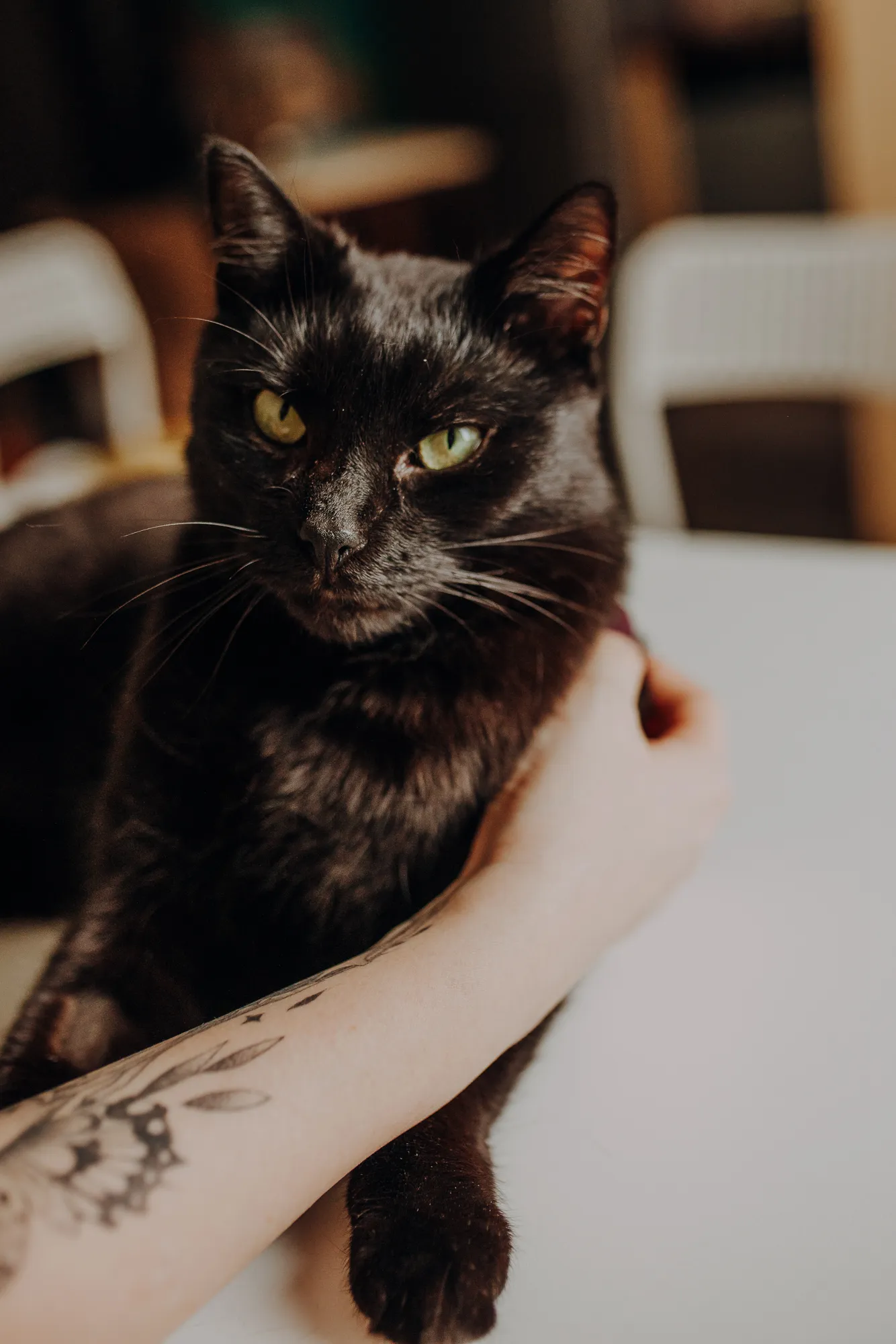
Our cat Franek put us to the test after adoption too!
Understanding the “alien”: why is it hiding?
To really understand what’s going on in your cat’s head right now, you need to set human logic aside for a moment and use your imagination. Picture this: you’ve suddenly been teleported onto a giant space station. You don’t know where the exit is or where food is served, or who those giants stomping down the corridors are. Everything smells strange and the sounds are terrifying.
What do you do? Run up to the first giant you see for a hug? Of course not.
Your survival instinct tells you to find a safe ventilation shaft where you can watch what’s happening without being seen. That’s exactly what your cat is doing. It isn’t sulking. It’s working hard – mapping the terrain. It needs to analyse the data: escape routes in case of danger, when it’s quiet and when there’s traffic. Give it time for this analysis. It’s the foundation of its future sense of security.
Launch procedure: the “Safe Base” and the One-Room Rule
The biggest mistake new owners make is throwing the cat in at the deep end by giving it access to the whole home straight away. For a frightened animal that’s far too much at once. For a soft landing, you need to introduce the One-Room Rule.
Here’s your action plan:
- Create a “Decompression Chamber”: For the first few days (sometimes even a week), keep the cat in one quiet room. It could be a bedroom or a room you rarely use. Put everything it needs there: a litter tray, food, water and a scratching post. This will be its refuge, where nobody will surprise it. Spend time there with your cat regularly, but also give it time to explore the space calmly on its own.
- Opening the airlock: When should you let the cat into the rest of the home? Don’t rush. Watch it. Open the door to the rest of the “galaxy” only when the cat feels confident in its base – when it eats normally, plays and greets you when you come into the room.
- Strategic hiding places: A cat needs observation points. An ordinary shoebox, a cat cave or a dark corner under the bed are worth their weight in gold. It’s important for the cat to have somewhere to hide in a new environment. But make sure you can reach these hiding places – if you ever need to go to the vet, you must be able to get the cat out!
- The golden rule of untouchability: If the cat hides, never pull it out by force! Even if you mean well, “to comfort it” or cuddle it, to a cat it’s an act of pure aggression. You’re taking away the only protection it has. Let it come out when it’s ready. Do make sure the cat is eating something, though, even in its hiding place. A cat that hasn’t eaten anything for 24 hours needs urgent veterinary attention!
Interspecies diplomacy: how to win its trust
First steps in communication
Winning a cat’s heart is a game of patience. Here are the rules of diplomatic protocol:
- Play hard to get: Paradoxically, cats approach people who ignore them the fastest. Sit in its room with a book or your phone and… do nothing. Let it sniff your foot or hand, but don’t try to stroke it. Let the cat make the first move.
- Eye language – avoid challenges: Don’t stare straight into a cat’s eyes – in cat language that’s a challenge to fight. Instead, when it looks at you, blink very slowly. That’s the so-called “cat kiss” – a signal that means: “I come in peace”.
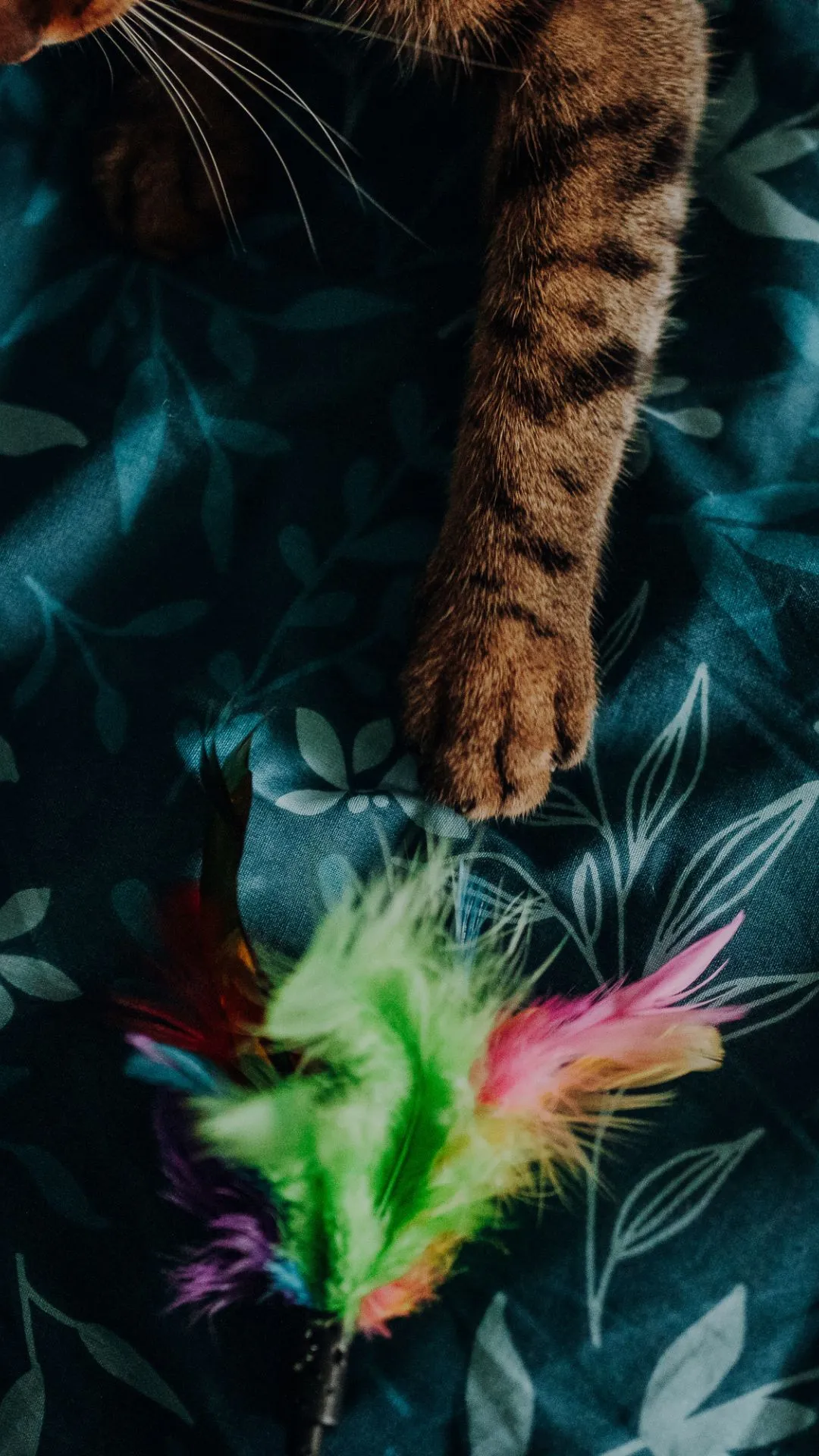
- Playing on a safe connection: An outstretched hand can feel threatening to a scared cat. The solution is a wand toy with feathers or another safe toy. It allows contact from a safe distance. The cat releases stress and gains confidence (“I caught it!”), and you become a source of fun without invading its personal space. When choosing a wand, avoid ones with metal parts that could hurt your cat, and ones with long strings that come off easily and could be swallowed!
The tail tells the truth – a short guide to body language
Your cat is constantly sending messages, but you need to tune in to its frequency.
- Tail up: “Hello, stranger! I come in peace.” A raised tail is a good sign! If it also looks like a “?”, even better. Cats raise their tails when they’re content and friendly.
- Slow side-to-side tail swishing: Careful, this isn’t a dog! It’s a sign of irritation. Claws are about to come out. A cat swishes its tail from side to side when it feels threatened, stressed or irritated. If you notice this, give it a rest, reduce stimulation and stop stroking. If your cat starts flicking its tail nervously while you stroke it, that’s also a sign to take your hand away, because it may end badly. Stroking can overstimulate a cat!
- Bottle-brush tail: “I’m scared and trying to look bigger. Don’t come closer.” If the cat arches its back and puffs up its fur and tail as if struck by lightning, it’s definitely feeling fear and trying to scare off a threat.
- Belly up: It’s a trap! A cat shows its belly as a sign of trust (“I feel safe here”), not as an invitation to rub it. Touching its belly at this point risks an attack. Especially early in your relationship – later things may be quite different :) But you definitely don’t want to get caught in a claw-and-teeth trap in the first few days.
- Night manoeuvres: If your cat has a fit of madness and races around the house at dusk – that’s a great sign! These “zoomies” mean the stress is fading and the joy of life is coming back. Cats are crepuscular and often most active as night falls and a new day begins. If its active hours don’t match your schedule at all right now ;) don’t worry – cats partly adapt to your routine over time.
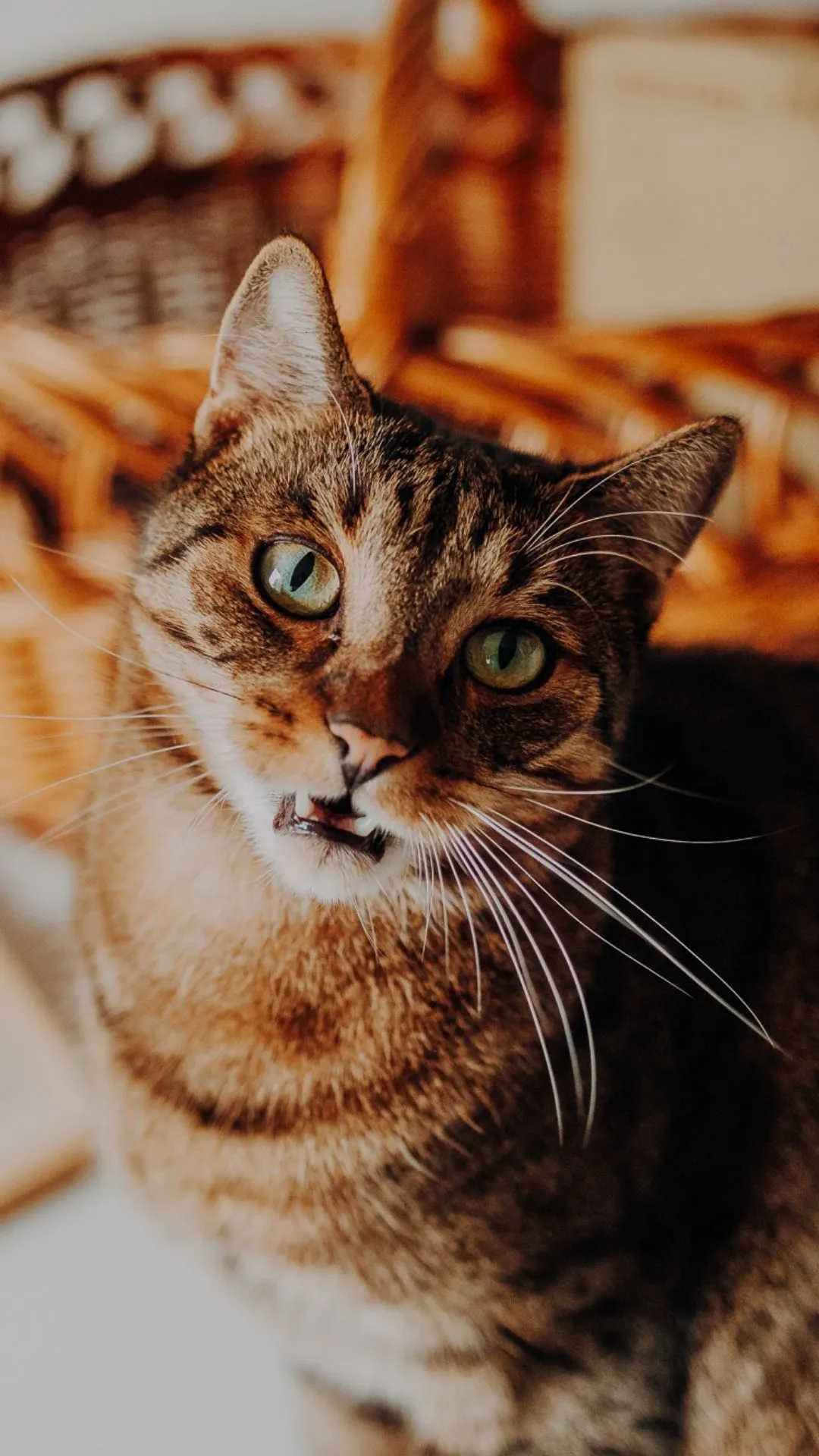
Our cat Stefan is also surprised how much we know about him.
Adapting the Base (health, safety and infrastructure)
Cats live in a 3D world – for them, real life happens above floor level. For your “alien” to feel at home, it needs the right infrastructure.
Infrastructure:
- Vertical observation points: A cat needs to see everything from above – it gives it a sense of control. Clear some space on the windowsill or invest in a tall scratching post (a cat tree). Or fit a “cat highway” on the walls – a route of shelves the cat can move along. Don’t be surprised if your cat wants to jump onto worktops or tables. That’s completely normal. Don’t punish it! Punishing a cat will make it afraid of you, but it won’t make it give up instinctive behaviour.
- Operation “Scratching”: Scratching isn’t vandalism – it’s cat yoga (stretching the muscles) and a manicure (shedding old claw sheaths). If you don’t want a scratched sofa, you have to offer something in return – a stable scratching post placed where the cat likes to spend time. Cats have their preferences – some like to scratch horizontally, others vertically, and some don’t mind. You can buy simple cardboard scratchers for the floor, and to start with, use something you already have as a vertical scratcher – for example table legs. Wrap them tightly with sisal rope. This gives your cat a scratching post it can fully stretch on, and keeps your furniture safe. Cats often prefer to scratch in socially important places in the home – which is why sofas and armchairs are the usual victims. So put the scratching post in exactly those places, not in a corner nobody visits.
Danger zones – watch out for:
- Tilt-and-turn windows: A deadly trap. A cat trying to get out can get stuck and die in agony. Always close windows before you leave or fit special guards. And don’t assume that because your cat isn’t trying to get out through a tilted window now, it never will. Sometimes an interesting enough stimulus outside – even a bird on the next windowsill – can make a cat misjudge its chances with a tilted window. Also secure windows and the balcony with netting if you want to let your cat out there. Really. It might jump, and the saying that cats always land on their feet doesn’t mention that it doesn’t always end well. Besides, you don’t want to be searching outside for a frightened cat. It’s not an easy job.
- Plants: Many “earthly” plants (e.g. lilies, peace lilies) are highly toxic to cats. Check your pots before your cat turns them into a salad. You can check, for example on Toxic and Non-Toxic Plant List — Cats | ASPCA, whether the plants you have at home are safe. Some cats love to nibble plants, so the wrong choice can end badly.
- Strings and threads: If a cat swallows a thread, it can cut through its intestines. Put toys with strings away in a cupboard after play! And if your cat has already swallowed a string, even if some of it is sticking out of its mouth, don’t try to pull it out yourself! If you suspect this, go to the vet straight away!
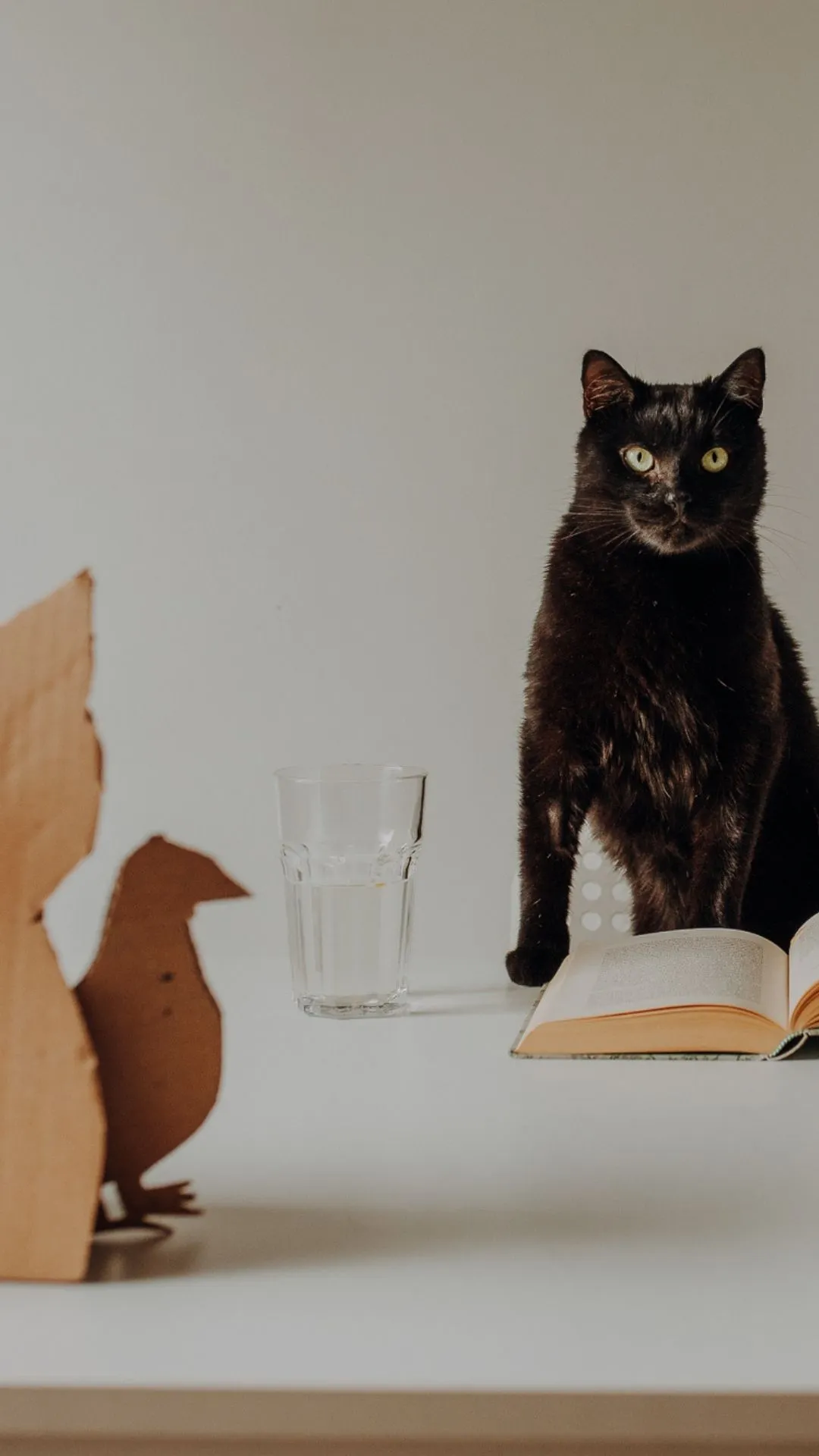
Franek is carefully studying all the rules so he doesn’t forget anything when filling in his KeeVet profile.
Fuel, hygiene and technical inspection
Adjustment stress is a huge strain on an animal’s body. You need to look after its basic biological systems.
-
Litter tray (Waste Disposal System): A strategic location. It must be clean and placed somewhere quiet, away from food bowls (nobody likes eating in the toilet).
- Important: If there’s an accident outside the tray – never scold the cat! It’s a distress signal: the cat is scared, something hurts or it doesn’t like the litter tray. In the first days in a new place, such accidents can happen!
-
Food (Fuel): To start with, give the same food the cat ate at the shelter or breeder. A sudden change of menu can cause a stomach revolution – even if it’s a change for the better! Also remember that, contrary to many adverts, dry food isn’t good for your cat. Look for educational resources on how to feed a cat properly (e.g. the Polish group Surowe Kotki i Psy).
- Alarm: A cat must not go hungry. If it hasn’t eaten for more than a day because of stress – that’s an emergency, contact a vet.
-
Technical inspection (the vet): Take your cat for a check-up within the first 2 weeks. Stress can trigger hidden infections. And even if it doesn’t, it’s worth knowing its current state of health. Do blood tests and talk to your vet about vaccinations and deworming. Ask all the questions on your mind. Always transport your cat in a secure carrier, never in your arms.
You don’t have to remember everything – get some help
Adoption means organisational chaos: health booklets, vaccination dates, deworming schedules and lots of new things to sort out.
To get on top of the logistics without losing your mind, the KeeVet app was created. It’s a tool that turns your phone into your personal Mission Control.
Why install it even before your cat comes out from under the bed?
- A digital record always at hand: No more hunting for paper test results or wondering “when did it last have a tablet?”. In KeeVet you can keep the full medical history, test results and your cat’s weight chart in one place. Priceless information at the vet.
- Autopilot for the forgetful: In the daily rush it’s easy to miss a vaccination or a dose of medicine. The app works like your assistant – you set reminders and your phone tells you at the right moment that it’s time for a tablet or a check-up.
- Worry-free holidays (sharing): Going away and leaving your cat with a pet sitter or friends? Instead of writing long instructions on paper, share your pet’s profile with one tap. The temporary carer then has access to all the important health information and instructions.
- Made by people like you: KeeVet isn’t a corporate product – it was created by pet owners who know these problems inside out. And the app shows no annoying ads.
You can download it straight from the App Store or Google Play. One small step for you, one giant leap for your cat’s health. And if you like it, support KeeVet’s development on Patronite!