Health
Pet first aid kit – a complete guide for responsible owners
Medically reviewed by: Marta Pitak, veterinarian
Picture this: your dog comes back from a walk with a bleeding paw and the vet clinic is closed. Or your cat suddenly starts vomiting after eating something suspicious. At moments like these every second counts, and a well-stocked home first aid kit for pets can be a lifesaver.
Having a pet first aid kit isn’t just a sign of a responsible owner – it’s an investment in the safety and health of our four-legged friends. Statistics show that more than 70% of emergencies involving pets can be handled effectively with basic first aid supplies, significantly reducing the risk of complications.
Download the pet first aid kit checklist (PDF, Polish only)
Why does every pet need its own first aid kit?
Pets, like people, are exposed to all sorts of injuries and sudden illnesses. Cuts during play, allergic reactions to stings, digestive problems or overheating on hot days – these are just some of the things that can happen to our pets. The key difference is how quickly symptoms develop in animals, which is often much faster than in humans.
Many people make the mistake of reaching for medicines from the human medicine cabinet. This can have tragic consequences – ibuprofen, codeine and some other drugs are toxic or even fatal to dogs, cats and other pets. Even seemingly harmless products such as throat sprays or nasal drops can cause serious poisoning in animals.
A thoughtfully prepared pet first aid kit at home lets you react quickly in an emergency, protect wounds properly before you get to the vet and avoid mistakes with medication. Just as importantly, it helps you stay calm in a crisis, when every decision can be crucial for your pet’s health.
First aid kit for dogs and cats – the basics
Dressings – the foundation of every kit
Dressing wounds properly is the basis of pre-veterinary first aid. What should you always have at hand? Above all, materials to stop bleeding, whose effectiveness depends on quality and the right choice.
-
Sterile gauze swabs in different sizes – small 5×5 cm for minor cuts and larger 10×10 cm for bigger wounds.
-
Non-woven compresses are indispensable for dressing larger areas, while cotton wool or wound pads let you gently dry wounds without leaving fibres behind.
-
Self-adhesive elastic bandages (flex type), also known as cohesive bandages ;), are especially useful: they don’t slip on fur and cling well to curved surfaces like paws or tails. You won’t find them in every pharmacy, but they’re often sold in the pet section of supermarkets or online.
-
Just remember not to wrap them too tightly, and if there’s a wound, first apply a non-woven compress or gauze swab and only then wrap the bandage over it (just as vets do, for example after taking a blood sample :))
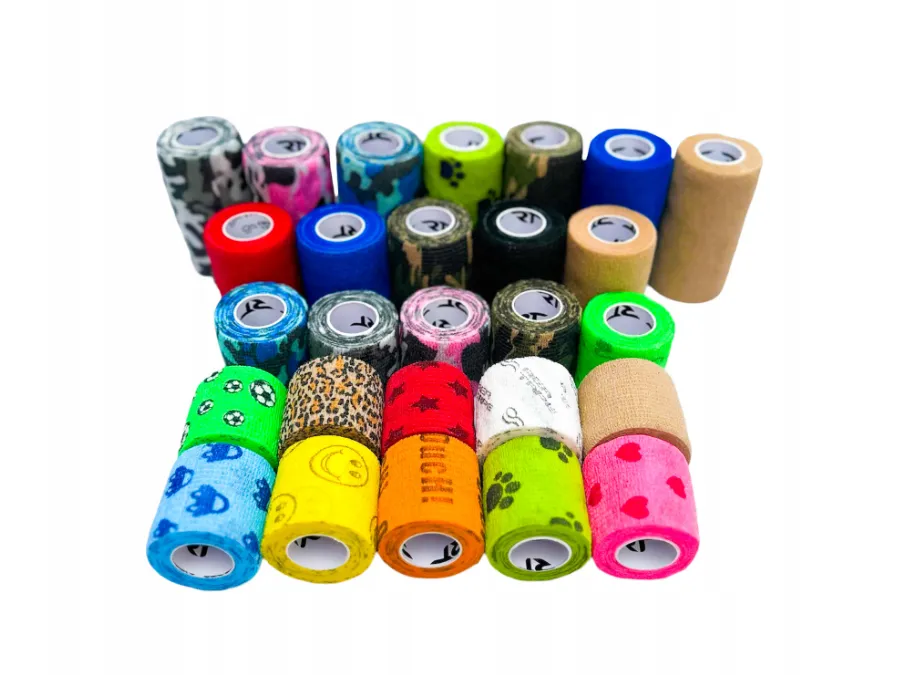
Cohesive bandages are very handy and cheap, and let whoever hasn’t also used them on themselves, not just on their pet, cast the first stone :) Photo: Ems Medyk medical shop
When it comes to disinfectants, it’s key to choose products that are safe for animals.
A polyhexanide spray, e.g. Prontosan, doesn’t sting and disinfects effectively, which makes it ideal for cleaning wounds on frightened animals. Octenisept is generally not recommended for pets.
Povidone-iodine (Betadine) solution is another gentle antiseptic that has been used in veterinary medicine for years. You can buy the concentrate in a pharmacy; before use, dilute it with saline in a 1:9 ratio.
Saline in single-use ampoules is used not only to rinse wounds but also to clean eyes or the nose. It comes in handy in many situations, so it’s always worth having a supply at home.
Wipes soaked in disinfectant are also practical for quickly cleaning minor cuts. But check what they’re soaked in – if it’s alcohol-based, use them only on unbroken skin.
Tools and accessories
The right tools make giving first aid to animals much easier and allow you to work precisely.
- Round-tipped scissors are safe for trimming fur around a wound and reduce the risk of accidentally cutting the animal. Still, be careful – with cats, whose skin is loose, extra caution is needed anyway!
- Pointed tweezers are invaluable for removing splinters, glass or other foreign bodies from wounds.
- A tick remover is especially useful in Poland: it lets you remove ticks safely without leaving the mouthparts in the skin. Tick season now lasts all year round!
- A digital thermometer with a flexible tip is essential for monitoring body temperature. Always put some petroleum jelly (or cooking oil if you have none) on the tip so the measurement, which is taken you-know-where :)), doesn’t hurt. Remember that normal body temperature for dogs and cats is 38–39°C, higher than in humans.
- Disposable needle-free syringes in various sizes have many uses. Small 1–2 ml syringes allow precise dosing of medicines, while larger 5–10 ml ones are good for giving fluids or feeding weak animals.
- A small LED torch helps you look closely into the mouth, eyes or hard-to-reach places on the body.
Other products and medicines
Choosing medicines for a home pet first aid kit requires particular care and should always be discussed with a vet. Every animal has individual needs and limits, and what is safe for one species can be toxic to another.
-
Activated charcoal is one of the most important emergency products for poisoning. Capsules work better than tablets. For dogs and cats you can safely give 2 capsules per 5 kg of body weight 3 times a day. A possible side effect is constipation. If you suspect poisoning, lactulose can be given an hour after the charcoal.
-
Electrolyte powder made for animals helps replace fluids quickly in case of dehydration, which can follow prolonged diarrhoea or vomiting.
-
Probiotics for dogs and cats support the recovery of healthy gut flora after antibiotics or digestive upsets.
-
Mild anti-diarrhoeal products for animals, such as Diadog’n’cat, Diarin or other available products, can help with acute gastrointestinal problems.
-
Hydrocortisone ointment for topical use can relieve minor allergic skin irritation, but it’s best to check with your vet before using it. If your pet suddenly starts scratching after a walk, wash it, as there may be allergens on its fur. In other situations where you suspect an allergic reaction, consult a vet.
-
If your pet takes medication for a chronic condition such as epilepsy, heart disease or diabetes, always keep a supply in the kit together with exact dosing instructions and information on possible side effects. To make it easier, you can enter all medications and doses in the KeeVet app, which will remind you to give your pet its medicine.
-
Toothpaste made specifically for animals is often left out of home kits, yet it can prevent serious health problems. Unlike human toothpaste, products for animals contain no fluoride or xylitol, which are toxic to dogs and cats.
Regular brushing prevents tartar, which can lead to painful gum inflammation, tooth loss and, in extreme cases, bacterial infections that spread into the bloodstream and threaten the heart or kidneys.
Special needs of different species
First aid kit for cats – gentleness and precision
Cats need to be handled especially gently during first aid, and their particular anatomy and behaviour call for different solutions.
For mild eye irritation you can rinse with sterile saline, but don’t use chamomile to wash the eyes, as it can irritate them further. Cats suffer from conjunctivitis much more often than dogs, especially in multi-cat households – if there are signs of inflammation, a vet visit is necessary (e.g. swelling or purulent discharge).
Instead of a muzzle, which makes cats panic and can make breathing difficult, a special restraint net or bag works much better. Alternatively, you can use the “burrito” method – wrapping the cat in a towel or blanket, leaving only the part of the body that needs treating exposed.
It gives you access to most of the body while protecting you from the claws and teeth of a frightened animal.
The “burrito” method is especially practical because it uses things everyone has at home, and it’s less stressful for the cat than special bags or nets.
A soft protective collar in a small size may be needed after veterinary procedures or for wounds the cat keeps licking.
Hairball paste is a product needed especially by long-haired cats, which swallow a lot of fur while grooming. Hairball remedies also come as powders, but the most important thing is a balanced diet that naturally helps pass swallowed fur. Some cats are prone to hairballs even on the best diet. Remember, there’s no shame in giving a hairball remedy! :)
First aid kit for dogs – an active lifestyle needs extra protection
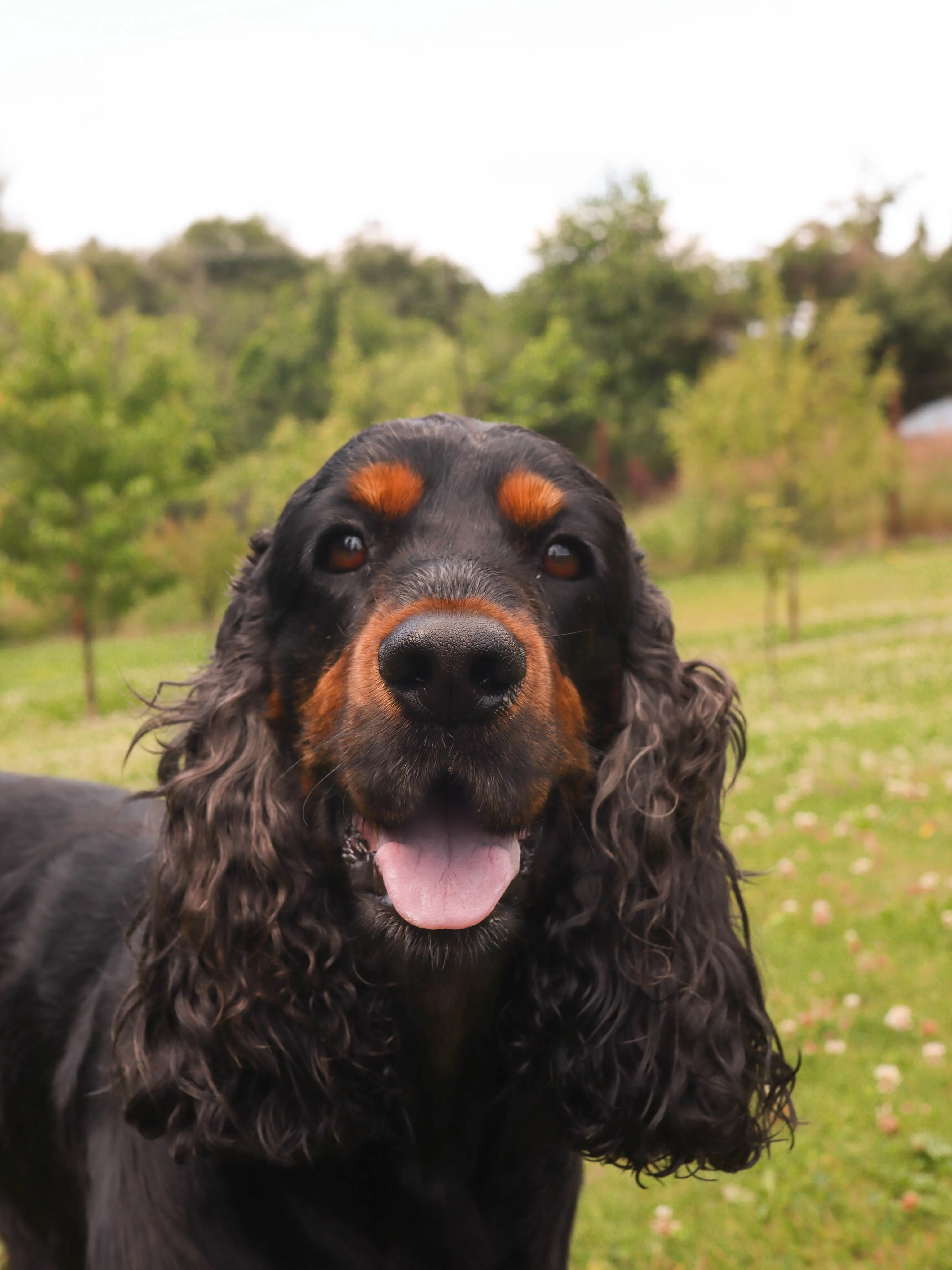
Because of their active lifestyle and frequent walks, dogs are prone to particular injuries. Paws are especially vulnerable to cuts from glass, sharp stones or ice in winter. That’s why a dog’s first aid kit should include rubber protective boots that can be put on a dressed paw to keep it clean and dry on walks.
Paw wax balm (or plain petroleum jelly) is especially useful in winter, when salt and grit on pavements can cause painful cracking of the paw pads.
Waterproof fabric bandage covers keep a dressing clean for longer, which is particularly important for wounds that need to stay bandaged for several days.
For dogs most prone to cataracts, UV-filter goggles or UV-protective eye drops (HYABAK) are recommended. You can also put a peaked cap on your dog to reduce sun exposure to the eyes.
Because they often come into contact with vegetation on walks, dogs are also more exposed to parasites. A tick remover with a magnifier makes it easier to inspect the skin and remove ticks, especially in hard-to-reach places like around the ears or groin. An insect sting remedy can be a lifesaver on summer walks, when the risk of meeting bees, wasps or horseflies is particularly high.
Storing the kit – the key to effectiveness
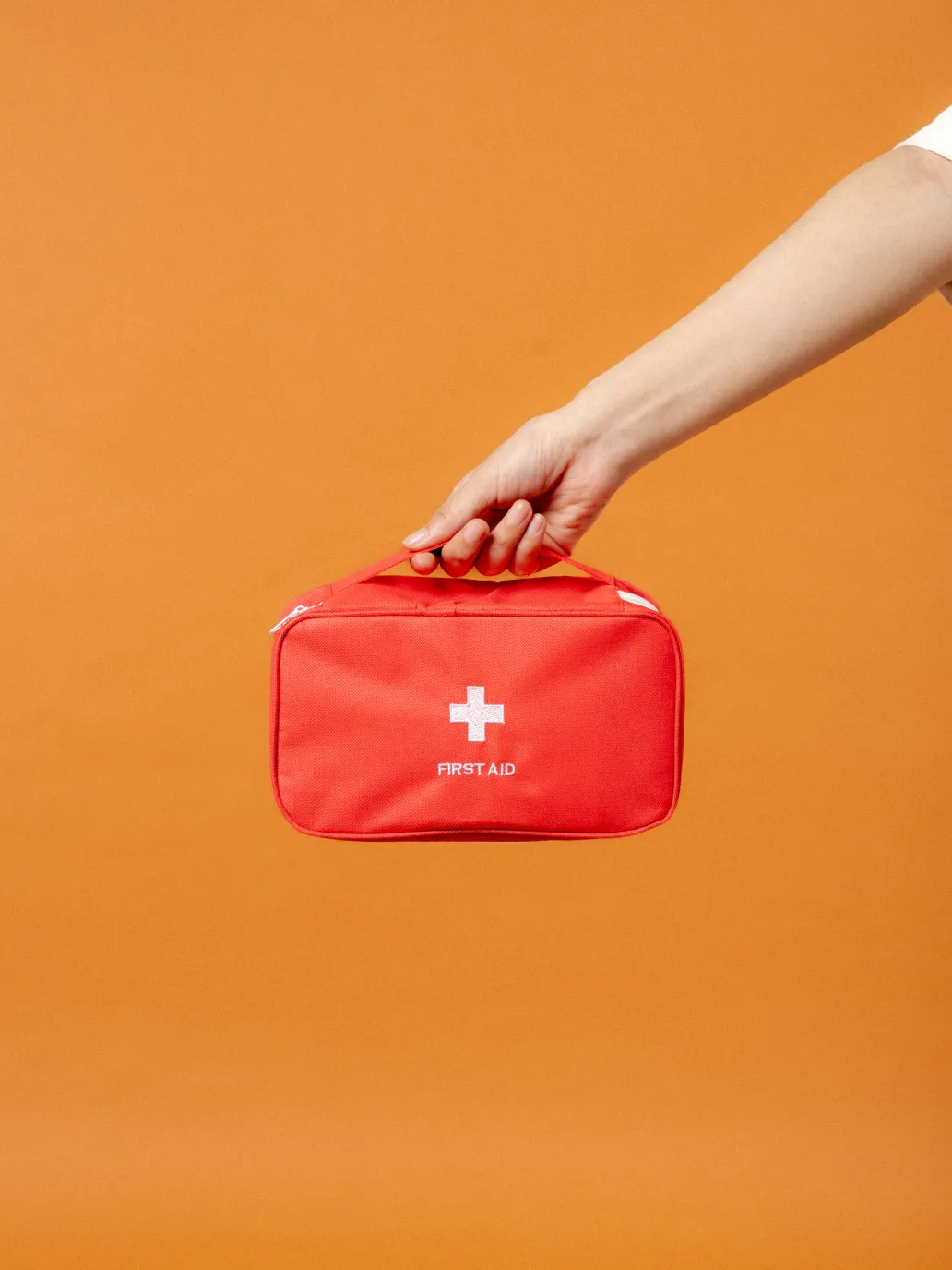
Even the best-stocked first aid kit is useless if its contents lose their effectiveness because of poor storage. The ideal place is dry and cool, at 15–25°C, out of reach of children and animals but easy for the owners to get to. A high shelf in the hallway, a closed cupboard in the bedroom or a lockable cabinet work best.
You should definitely avoid storing the kit in the bathroom because of the humidity, in the kitchen because of temperature changes, or in the car, where temperatures can reach extremes. Sunlight also degrades many products, so the kit should be kept out of direct sunlight.
Regular checks every six months are the key to keeping the kit ready. During a check, look at the expiry dates of all products, the condition of the packaging, the batteries in the thermometer and torch, and whether anything is missing. Expired medicines can not only lose their effectiveness but sometimes even become toxic.
Keeping a simple kit log with the date of the last check, a list of replaced items and notes on medicines used gives you better control over its contents and can be useful when talking to your vet.
Download the pet first aid kit checklist (PDF, Polish only)
Emergency contacts and costs
There should always be a list of the most important phone numbers in or next to the kit. The basics are your vet clinic’s number with opening hours, a 24-hour emergency vet with the exact address and approximate travel time, and a poison information centre. If you use the KeeVet app, you can save these details in the app. Everything will be at hand, with a quick-call option.
How much does a pet first aid kit cost?
Putting together a basic kit costs around PLN 150–290, depending on the species and your pet’s individual needs.
- dressings (gauze, bandages, compresses): about PLN 20–30,
- medicines and products recommended by your vet: about PLN 100–200, including antiseptics such as Prontosan and Betadine at around PLN 40, while saline costs a few złoty for 10 ampoules,
- accessories (e.g. thermometer, gloves, torch, tick remover): PLN 30–50.
It’s a one-off expense that can save your pet’s health or even life – so it’s worth it.
You can also save a little – for example by buying larger packs from medical wholesalers, taking advantage of offers in pet shops, or shopping together with other owners. You’ll also easily find bandages and gauze in an ordinary pharmacy.
When the first aid kit isn’t enough
Even with the best-equipped kit, some situations require immediate professional help.
Breathing problems such as a bluish tongue or gums, shallow irregular breathing or wheezing need urgent veterinary care.
Neurological symptoms such as seizures lasting more than two minutes, loss of consciousness or sudden loss of balance are also beyond the scope of home first aid.
Major injuries, deeply embedded foreign bodies and many other situations require a consultation with your pet’s vet. Always keep your clinic’s number at hand, and write down any symptoms that worry you.
A home first aid kit is part of being a responsible owner and can save our pets’ lives. Properly assembled and regularly updated, it becomes a reliable support in emergencies.
But remember the most important rule – first aid is about stabilising your pet before you reach the vet and can never replace professional medical care. If in doubt, always consult a specialist, because your pet’s health and life are priceless.
Look after your pet’s health with the KeeVet app! Keep a weight log, record medications and doses, add vet visits – all in one place, always at hand. With KeeVet you have quick access to your pet’s health history, your clinic’s contact details and check-up reminders. Everyday support for responsible owners.
Sources:
AVMA – First Aid Tips for Pet Owners (includes a first aid kit checklist)
WSAVA – global guidelines for companion animal care
PETHELP.pl – “Pre-veterinary first aid” (Polish guide)
The Spruce Pets – a practical first aid checklist for dogs
Animal Health Center Iowa – AVMA tips for owners in plain language
Oregon VMA – latest recommendations for a home pet first aid kit (April 2025)
https://ebusiness.avma.org/files/productdownloads/mcm-client-brochures-pet-first-aid-2023.pdf